
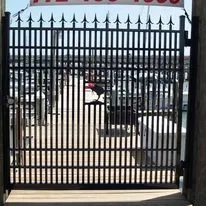
Complete Guide to Marina and Waterfront Security Fencing
Boat Yard Fencing: Complete Guide to Marina & Waterfront Security Solutions
When it comes to protecting valuable watercraft and marine equipment, boat yard fencing is more than just a perimeter—it’s your first line of defense against theft, vandalism, and liability. Whether you’re managing a small private marina, a commercial boat storage facility, or a large-scale waterfront operation, choosing the right marine fencing solution protects your investment while withstanding harsh coastal conditions.
At Adron Fence, we specialize in commercial boat yard fencing that delivers both security and longevity in challenging marine environments. This comprehensive guide covers everything you need to know about selecting, installing, and maintaining fencing for boat yards, marinas, and waterfront properties.
Why Boat Yards Need Specialized Marine Fencing
Security Challenges at Waterfront Facilities
Boat yards face unique security threats that standard commercial fencing simply can’t address. The high value of stored vessels—from luxury yachts to commercial fishing boats—makes these facilities prime targets for theft. According to recent industry data, boat theft costs the marine industry millions annually, making robust *boat storage security fencing*essential for any waterfront facility.
Beyond theft prevention, boat yard fencing must also:
- Control access for multiple user groups (boat owners, staff, service providers)
- Prevent unauthorized launching or removal of vessels
- Protect against vandalism and trespassing
- Meet local zoning and maritime facility regulations
- Provide clear liability boundaries
Environmental Durability Requirements
Unlike inland commercial properties, boat yards operate in harsh marine environments where salt air, humidity, and coastal weather accelerate corrosion and deterioration. Standard steel fencing can rust within months near saltwater, making material selection critical for long-term performance and cost-effectiveness.
Best Fencing Materials for Boat Yards and Marinas
Aluminum Fencing: The Premium Marine Solution
Aluminum fencing for boat yards has become the gold standard for waterfront security. Aluminum naturally resists corrosion without requiring special coatings, maintaining both structural integrity and appearance in saltwater environments.
Key benefits of aluminum marine fencing:
- Zero rust—even in direct salt spray exposure
- Minimal maintenance requirements
- 25+ year lifespan in coastal conditions
- Available in various heights and security ratings
- Professional appearance that enhances property value
- Powder-coated options for additional color choices
While aluminum fencing typically costs 20-30% more than vinyl-coated chain link initially, the minimal maintenance and exceptional longevity make it the most cost-effective choice over the fence’s lifetime for many boat yard operators.
Vinyl-Coated Chain Link: Affordable Corrosion Protection
For budget-conscious boat storage facilities, vinyl-coated chain link fencing offers excellent corrosion resistance at a lower price point. The thick vinyl coating protects the galvanized steel core from salt air and moisture while providing a clean, professional appearance.
Advantages of vinyl-coated chain link for marinas:
- Lower initial investment than aluminum
- Excellent see-through visibility for security monitoring
- Available in multiple colors (black, green, brown)
- Can be enhanced with privacy slats
- Proven performance in marine environments
- Quick installation reduces labor costs
The key to longevity with vinyl-coated chain link is choosing commercial-grade materials with thick vinyl coating (minimum 0.020 inches) and regularly inspecting for coating damage that could expose the metal underneath.
Ornamental Steel: Maximum Security with Style
For high-end marinas and yacht clubs prioritizing both security and aesthetics, ornamental steel fencing combines formidable protection with sophisticated appearance. Modern powder coating technology provides robust corrosion protection, though these fences require more maintenance than aluminum in marine settings.
When to choose ornamental steel for boat yards:
- High-value vessel storage requiring maximum security
- Facilities where appearance significantly impacts property value
- Areas needing anti-climb features
- Marinas with strict architectural guidelines
- Yacht clubs emphasizing prestige and exclusivity
Boat Yard Fencing Height and Design Considerations
Optimal Fence Height for Marine Security
Most boat storage facilities install fencing between 6-8 feet tall, balancing security needs with practicality. This height effectively deters casual trespassers and opportunistic thieves while remaining proportionate to stored vessels and complying with most local regulations.
Height recommendations by facility type:
- Small private marinas: 6 feet minimum
- Commercial boat storage: 6-8 feet recommended
- High-security yacht facilities: 8 feet or higher
- Areas with additional security concerns: Consider 10-foot commercial-grade fencing
Check local zoning ordinances before finalizing height specifications, as many municipalities have specific requirements for waterfront commercial properties.
Visibility vs. Privacy in Marina Fencing
The visibility debate divides boat yard operators. Some prefer privacy fencing for boat yards with solid panels or privacy slats, reasoning that concealing valuable vessels reduces theft risk. Others choose transparent chain link, believing visible fencing allows neighbors and passing traffic to notice suspicious activity.
Factors to consider:
- Local crime rates and theft patterns
- Insurance requirements and recommendations
- Customer preferences and expectations
- Municipal regulations on waterfront appearance
- Balance between monitoring and concealment
Many modern boat storage facilities choose a hybrid approach: transparent fencing along public-facing sides for community oversight, with privacy screening in interior storage areas.
Access Control Systems for Boat Yard Security
Modern Gate Automation for Marine Facilities
Automated boat yard gates have become essential for busy waterfront facilities managing frequent traffic. Integration with access control systems eliminates security weaknesses inherent in traditional key systems while creating electronic records of facility access.
Popular access control options include:
- Keypad entry systems with unique user codes
- RFID card readers for boat owners and staff
- Mobile app-based access control
- License plate recognition systems
- Remote access management for emergencies
Sliding gates work exceptionally well in space-constrained boat yards, while swing gates suit facilities with adequate clearance. Always include backup power systems to prevent access issues during coastal storms and power outages.
Security Integration Beyond the Fence
Modern boat yard security extends beyond physical fencing. Consider integrating:
- CCTV camera systems with motion detection
- LED security lighting with dusk-to-dawn sensors
- Perimeter alarm systems on gates and vulnerable points
- Intercom systems for visitor management
- Security patrols or on-site personnel
Boat Yard Fencing Installation and Compliance
Working with Professional Marine Fencing Contractors
Boat yard fencing installation requires expertise beyond standard residential fencing. The scale of commercial properties, integration with access control systems, and demanding environmental conditions make professional installation essential.
Key qualifications to look for:
- Experience with marine and waterfront properties
- Knowledge of local maritime facility regulations
- Proper licensing and insurance for commercial projects
- References from other boat yards or marinas
- Understanding of soil conditions in waterfront locations
- Capability to handle large-scale commercial installations
At Adron Fence, our team brings decades of experience installing commercial marine fencing systems. We understand the unique challenges of waterfront construction and work efficiently to minimize disruption to your operations.
Regulatory Compliance for Marina Fencing
Boat yards must navigate various regulatory requirements:
- Local zoning ordinances for commercial waterfront properties
- Building codes and permit requirements
- Americans with Disabilities Act (ADA) accessibility standards
- Coastal zone management regulations
- Environmental protection requirements
- Insurance company security specifications
Professional fencing contractors familiar with marine facilities can guide you through the compliance process and ensure your installation meets all applicable standards.
Long-Term Maintenance of Marine Fencing
Protecting Your Investment in Coastal Conditions
Even the best corrosion-resistant fencing requires regular maintenance in marine environments. Establishing a maintenance schedule protects your investment and ensures continued security.
Quarterly inspection checklist:
- Check for signs of corrosion or rust
- Inspect vinyl coating for breaks or damage
- Examine gate hardware and automation systems
- Look for loose posts or fittings
- Assess fence tension and alignment
- Document any damage for insurance purposes
Annual maintenance tasks:
- Deep clean all fencing to remove salt buildup
- Lubricate gate hinges and moving parts
- Test access control systems and backup power
- Touch up any paint or powder coating damage
- Verify fence meets current security needs
Material-Specific Maintenance Requirements
Aluminum fencing maintenance: Minimal requirements—occasional washing to remove salt buildup maintains appearance. Check mounting hardware annually.
Vinyl-coated chain link maintenance: Inspect coating regularly for damage. Address any exposed metal immediately to prevent rust spread. Tighten fence fabric as needed.
Ornamental steel maintenance: Requires most attention in coastal areas. Inspect regularly for rust. Touch up powder coating promptly. Consider annual professional maintenance.
Cost Considerations for Boat Yard Fencing Projects
Budgeting for Commercial Marine Fencing
Boat yard fencing costs vary significantly based on materials, height, automation, and project scope. Understanding pricing helps you budget effectively.
Typical cost ranges per linear foot (installed):
- Vinyl-coated chain link: $15-$25
- Aluminum fencing: $30-$50
- Ornamental steel: $40-$75
- Access control gates: $2,000-$8,000+ per gate
These estimates include materials and professional installation. Actual costs depend on specific project requirements, site conditions, and regional labor rates.
Return on Investment Analysis
While quality marine security fencing requires significant upfront investment, consider the long-term benefits:
- Reduced theft and vandalism losses
- Lower insurance premiums (many insurers offer discounts)
- Increased property value
- Enhanced customer confidence and retention
- Reduced liability exposure
- Minimal replacement costs over decades
Many boat yard operators find that premium corrosion-resistant materials pay for themselves within 5-7 years through reduced maintenance and replacement costs.
Frequently Asked Questions About Boat Yard Fencing
What is the best fencing material for boat yards near saltwater?
Aluminum fencing offers the best corrosion resistance for saltwater environments, requiring minimal maintenance while lasting 25+ years. Vinyl-coated chain link provides a more budget-friendly alternative with excellent salt resistance when properly maintained.
How tall should boat yard fencing be?
Most boat storage facilities install 6-8 foot fencing, which balances security needs with local regulations. High-security facilities or those in high-crime areas may opt for 8-10 foot commercial-grade fencing.
Do I need access control gates for my marina?
Access control gates are highly recommended for boat yards storing valuable vessels. They eliminate traditional key security weaknesses, create access logs, and allow different permission levels for owners, staff, and service providers.
How long does marine fencing last in coastal conditions?
Lifespan varies by material: aluminum fencing typically lasts 25-30+ years, quality vinyl-coated chain link 15-20 years with proper maintenance, and powder-coated ornamental steel 15-25 years depending on maintenance intensity and environmental exposure.
What maintenance does boat yard fencing require?
Aluminum fencing needs minimal maintenance—periodic washing to remove salt buildup. Vinyl-coated chain link requires regular inspection for coating damage. Ornamental steel needs the most attention, including regular rust inspections and powder coating touch-ups.
Can I add security cameras to my boat yard fence?
Yes, modern fencing systems easily integrate with CCTV cameras, motion sensors, and other security equipment. Many boat yards mount cameras on fence posts for comprehensive perimeter monitoring.
What regulations apply to boat yard fencing?
Boat yards must comply with local zoning ordinances, building codes, ADA accessibility requirements, and sometimes coastal zone management regulations. Professional contractors familiar with marine facilities can guide you through the compliance process.
Should boat yard fencing be transparent or private?
This depends on your security philosophy and local conditions. Transparent fencing allows community oversight of suspicious activity, while privacy fencing conceals valuable vessels. Many facilities use a combination approach for optimal security.
Choosing Adron Fence for Your Boat Yard Fencing Project
Expert Marine Fencing Solutions
At Adron Fence, we understand that every boat yard has unique requirements based on facility size, vessel value, local conditions, and operational needs. Our team brings extensive experience installing commercial marine fencing that delivers both immediate security and long-term value.
Our Comprehensive Service Approach
Site Assessment: We visit your facility to understand your specific security needs, environmental challenges, and operational requirements.
Custom Design: We develop fencing solutions tailored to your boat yard, incorporating appropriate materials, heights, and access control systems.
Professional Installation: Our experienced crews handle large-scale commercial projects efficiently, minimizing disruption to your operations.
Ongoing Support: We provide maintenance guidance and remain available for future expansion or upgrade needs.
Protect Your Marine Investment
Quality boat yard fencing protects your valuable assets, reduces liability exposure, and provides peace of mind for both facility operators and boat owners. Don’t compromise on this critical aspect of your waterfront operation.
Ready to discuss your boat yard fencing project? Contact Adron Fence today for a free consultation and quote. Our marine fencing specialists will work with you to design a security solution that meets your specific needs and budget while withstanding the challenges of coastal environments for decades to come.
Related Services:
- Commercial Chain Link Fencing
- Aluminum Fence Installation
- Automated Gate Systems
- Access Control Integration
- Security Fence Consultation
Service Areas: Stuart, Port St. Lucie, Vero Beach, Okeechobee and the Surrounding areas
Contact Information: (772) 283-4540