
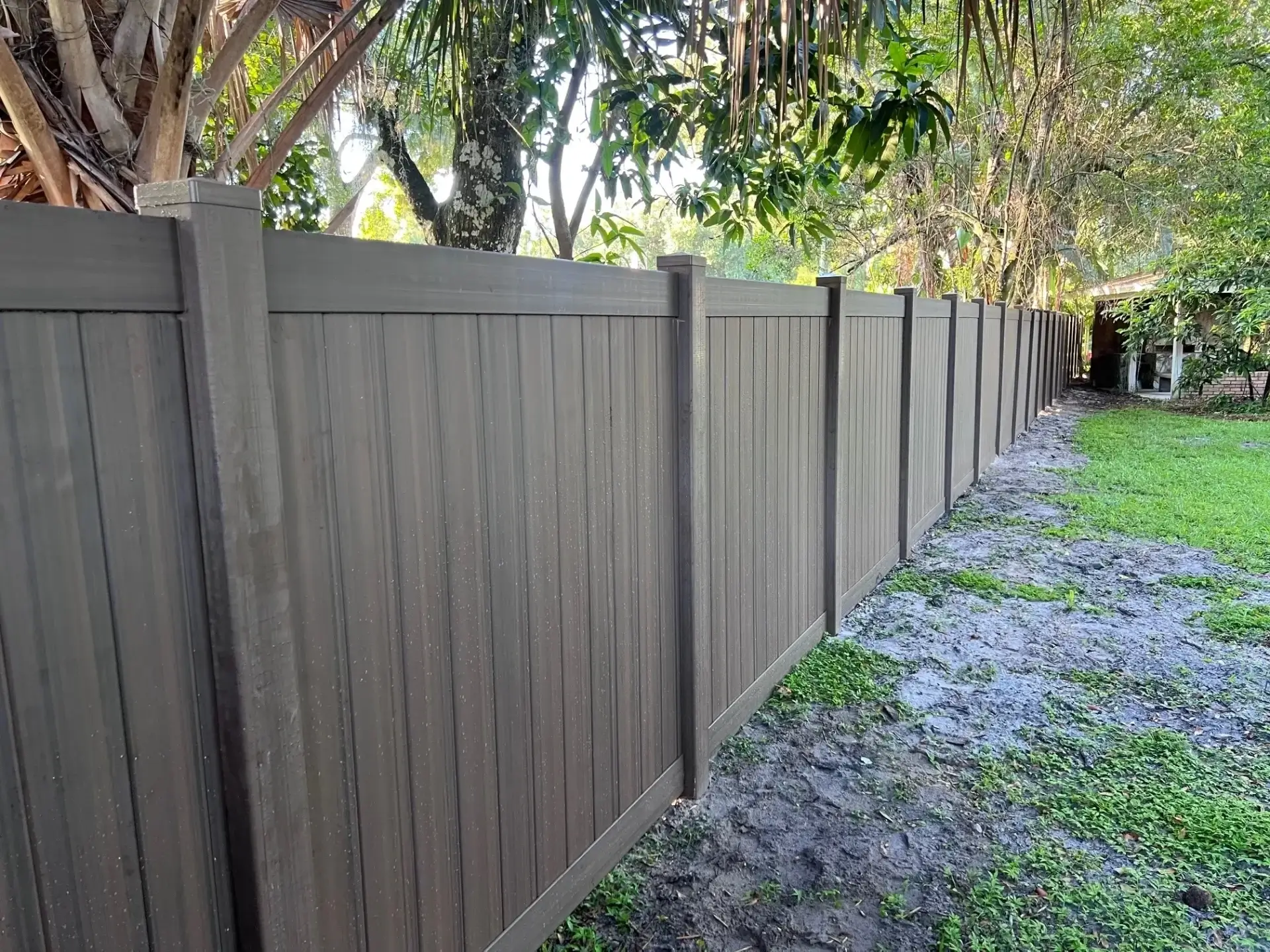
Why PVC Fence is a better choice over Wood Fence
Why PVC Fencing is the Smart Alternative to Traditional Wood
When it comes time to install a new fence around your property, the choices can feel overwhelming. For decades, wood has been the go-to material for residential fencing, but times are changing. PVC (polyvinyl chloride) fencing has emerged as a superior alternative that’s transforming how homeowners think about their outdoor spaces.
At Adron Fence, we’ve seen firsthand how PVC fencing can elevate a property while eliminating the headaches that come with traditional wood fences. Here’s why more homeowners are making the switch.
What is PVC Fencing?
PVC fencing is made from durable vinyl materials that are engineered to mimic the look of traditional wood or painted fences. Modern manufacturing techniques have advanced to the point where PVC fences can provide the aesthetic appeal of wood without any of the drawbacks.
The Maintenance Factor: Your Time is Valuable
Let’s address the elephant in the yard: wood fences demand constant attention. Between painting, staining, sealing, and treating for rot and insects, maintaining a wood fence becomes a recurring weekend project that never really ends.
PVC fencing eliminates this cycle entirely. A simple rinse with a garden hose or a quick wipe-down is all it takes to keep your PVC fence looking pristine year after year. No more scraping off old paint, no more re-staining every few seasons, and no more wondering if you’ve done enough to protect your investment from the elements.
Durability That Stands the Test of Time
Wood is organic material, which means it’s constantly fighting a losing battle against nature. Moisture causes warping and rot. Insects bore holes and weaken structural integrity. UV rays fade and crack the surface. Even with regular maintenance, wood fences typically need replacement within 10-15 years.
PVC fencing is built to last. It won’t rot, warp, or become termite food. It stands strong against harsh weather conditions, from blazing summer heat to freezing winter temperatures. Many PVC fences come with warranties of 20-30 years, and the material itself can last even longer with minimal degradation.
Weather Resistance You Can Count On
If you live in an area with high humidity, frequent rain, or extreme temperature swings, you know how quickly wood can deteriorate. Wood absorbs moisture, leading to swelling, warping, and eventually structural failure. In coastal areas, salt air accelerates this process even further.
PVC fencing is impervious to moisture. It won’t absorb water, which means no swelling, no warping, and no rot. Rain, snow, sleet, or humidity—your PVC fence remains stable and structurally sound through it all.
Long-Term Cost Effectiveness
Yes, PVC fencing typically has a higher upfront cost than wood. However, when you calculate the total cost of ownership, PVC becomes the clear winner. Consider these factors:
- No maintenance costs: No paint, stain, sealant, or professional refinishing services
- No replacement parts: Wood boards split and need replacing; PVC doesn’t
- Longer lifespan: Replace your fence half as often (or less)
- Energy savings: PVC requires no power tools or supplies for maintenance
- Time savings: Your weekends are yours again
When you factor in these savings over the lifetime of the fence, PVC often costs less than wood in the long run.
Eco-Friendly Considerations
Modern PVC fencing is increasingly manufactured with environmental responsibility in mind. Many PVC fences contain recycled materials, and the fencing itself is fully recyclable at the end of its long life. Because you’re not regularly applying chemical treatments, stains, or sealants, you’re also reducing your environmental impact.
Additionally, the longevity of PVC means fewer resources consumed over time. You’re not cutting down more trees or sending old fence materials to the landfill every 10-15 years.
Aesthetic Versatility
Gone are the days when vinyl fencing meant only white picket fences. Today’s PVC fencing comes in a stunning variety of styles, colors, and textures. Whether you want the look of natural wood grain, classic white ranch fencing, or contemporary privacy panels, there’s a PVC option that fits your vision.
The color is built into the material, so there’s no fading or peeling paint to worry about. Your fence maintains its fresh, clean appearance year after year without any effort on your part.
Installation Advantages
While professional installation is always recommended for the best results, PVC fencing often installs more quickly than wood. The materials are lighter and easier to handle, and because they’re manufactured to precise specifications, everything fits together seamlessly. This can translate to lower installation costs and faster project completion.
Making the Right Choice for Your Property
At Adron Fence, we understand that your fence is more than just a boundary marker—it’s an investment in your property’s value, privacy, and curb appeal. While wood fencing has its nostalgic charm, PVC fencing delivers superior performance, unmatched durability, and long-term value that’s hard to beat.
If you’re tired of maintaining your wood fence or planning a new installation, we invite you to explore the world of PVC fencing. Our team can show you samples, discuss your options, and help you design a fence that perfectly suits your needs and aesthetic preferences.
Ready to upgrade to a fence that works as hard as you do? Contact Adron Fence today for a free consultation and discover why PVC fencing is the smart alternative to wood.